Skip to content

Stephanie DeMarco — Science Writer

Stephanie is a science journalist and editor based in Los Angeles. She is the Managing Editor at The Scientist.

  • Home
  • About Me
  • Journalism
  • Other Writing
  • Podcast
  • Contact

Category: Drug Discovery News

Metabolomics open a window into better cancer treatments

Chemical biologist Stefano Tiziani uses metabolomics to identify new combination cancer treatments and to predict which patients will respond best … More

cancer, chemotherapy, drug discovery, metabolomics, phenotypic screen, prostate

Predicting immune responses to vaccination

Armed with a machine learning and systems biology approach, John Tsang studies how past infections and vaccinations shape an individual’s … More

computational biology, COVID-19, immune system, immunology, machine learning, vaccine

Menstrual blood holds the key to better diagnostics

Usually thrown away as waste, menstrual blood may help clinicians non-invasively monitor and diagnose a multitude of health conditions from … More
blood, cancer, diabetes, diagnostics, endometriosis, genomics, menstruation, proteomics, women's health

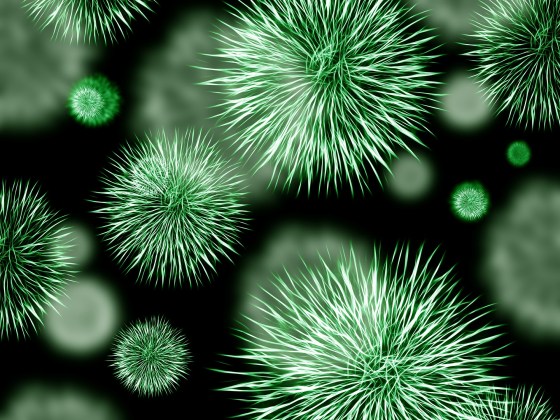
Bacterial nanosyringes are drug and delivery all in one

Nanosyringes produced by some bacterial species naturally inject proteins into eukaryotic cells, paving a new frontier for biologic drug delivery. … More

bacteria, biologics, drug delivery, microbiology, nanosyringe

Self-amplifying RNA may reduce side effects associated with RNA vaccines

Anna Blakney, an RNA bioengineer and TikTok science communicator, studies how self-amplifying RNA improves RNA vaccines and therapeutics. Drug Discovery … More

COVID-19, infectious disease, RNA, RNA vaccines, side-effects, TikTok, vaccines

A “morning-of” pill for on-demand contraception

Researchers discovered that combining two FDA-approved drugs prevents ovulation over the entire fertile window, leading to a potential new option … More
birth control, contraception, on-demand, ovulation, pregnancy, roe vs wade, women's health

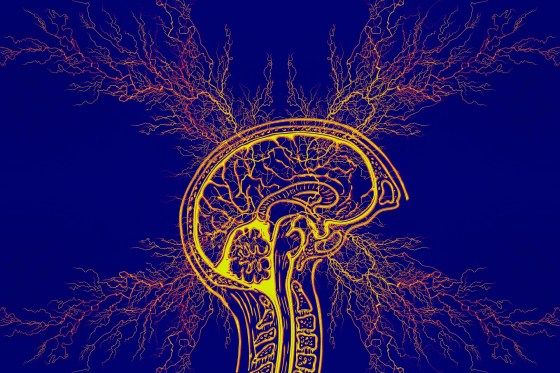
An infective spark for Alzheimer’s disease 

A once fringe theory that viral and bacterial infections trigger the neuroinflammation and cognitive decline associated with Alzheimer’s disease is … More
aging, alzheimer's disease, infectious disease, microbiology, neurodegenerative disease, neuroscience, virology

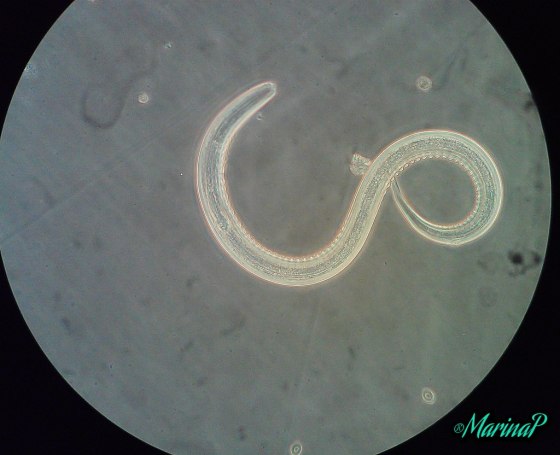
Gut microbes may predict the effectiveness of anthelminthic drugs

Pre-screening of the gut microbiome may lead to a more personalized approach to treating intestinal parasitic worm infections, leading to … More

anthelminthics, hookworm, ivermectin, microbiome, parasite, science

Shrinking toys inspire diagnostics and wearable sensors of the future

Inspired by toys from her childhood, bioengineer Michelle Khine designs microscale diagnostics and wearable biosensors with the hope of revolutionizing … More

bioengineering, bloodpressure, diagnostics, respiratory, science, sensors, shrinkydinks, wearables

Safer eye floater treatments come with a burst of nanobubbles

Between invasive surgery or risky laser therapy, people suffering from severe eye floaters have no great treatment options. Now, with … More

eyefloaters, eyes, nanobubbles, opthalmology, science, vitrectomy, YAGlaser

Posts navigation

Older posts
Newer posts

Enter your email address to follow this blog and receive notifications of new posts by email.

Join 44 other subscribers
Website Powered by WordPress.com.
  • Subscribe Subscribed
    • Stephanie DeMarco -- Science Writer
    • Join 44 other subscribers
    • Already have a WordPress.com account? Log in now.
    • Stephanie DeMarco -- Science Writer
    • Subscribe Subscribed
    • Sign up
    • Log in
    • Report this content
    • View site in Reader
    • Manage subscriptions
    • Collapse this bar
 

Loading Comments...